
Participation of the Center for Afghanistan Policy Studies (CAPS) within the Afghanistan’s Civil and Democratic Forces Network
Geneva – As Afghanistan approaches the fifth year under Taliban rule, a number of civil society organizations, human rights experts, diplomats, and representatives of international institutions gathered in Geneva to emphasize the urgent need for accountability, transitional justice, truth-seeking, and the restoration of the rule of law in Afghanistan.
The two-day conference, titled “Accountability, Truth, and Reconciliation: Foundations for the Return of Constitutional Governance in Afghanistan” was organized by the Afghanistan’s Civil and Democratic Forces Network (ACDFN).Discussions focused on topics including the Independent Investigative Mechanism for Afghanistan (IIM-A), transitional justice, constitutional order, human rights, and the political future of Afghanistan.
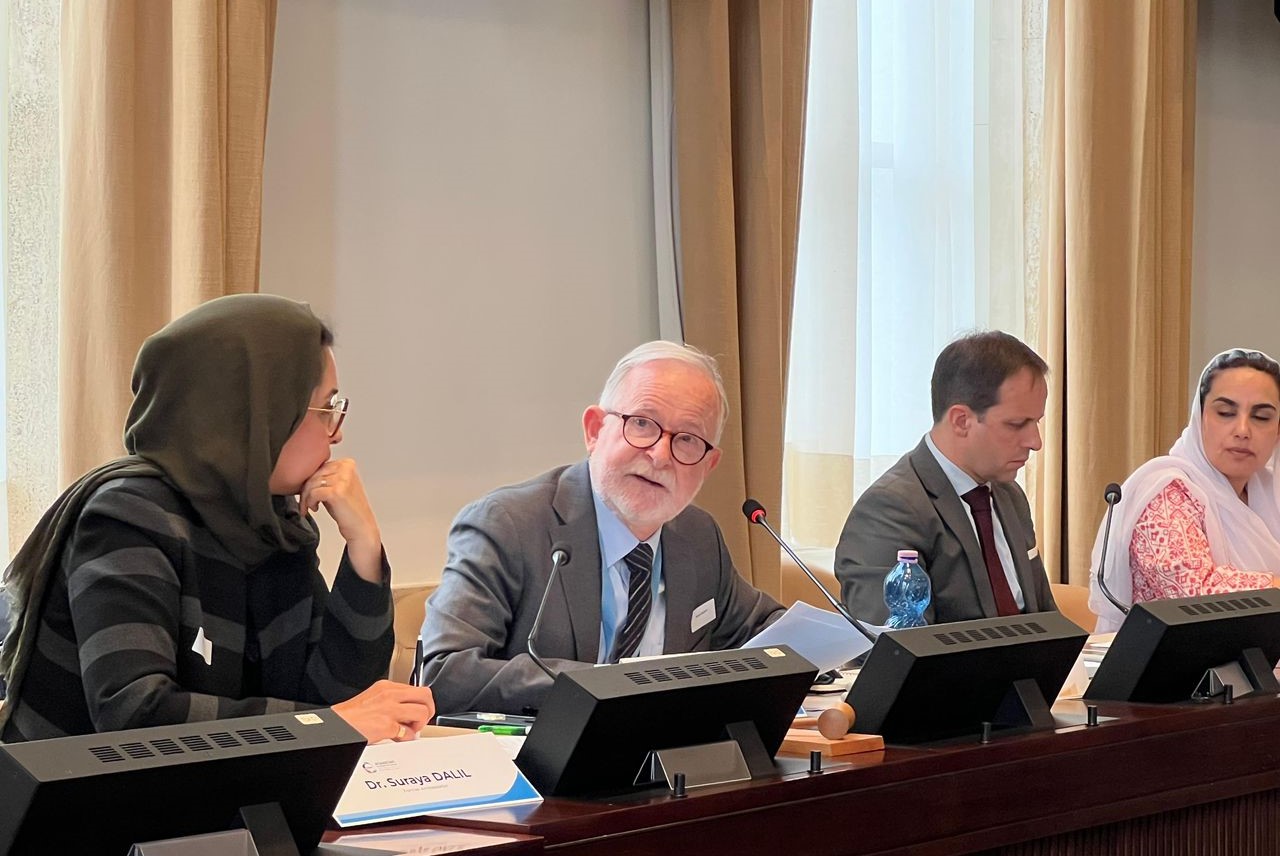
The Center for Afghanistan Policy Studies (CAPS) also participated in the conference as a member of the Afghanistan Civil and Democratic Forces Network and played an active role in discussions related to accountability, human rights, and justice-oriented processes.
Richard Bennett, the United Nations Special Rapporteur on Afghanistan, warned in his remarks that the Taliban “have imposed violence upon Afghan society” and stressed that breaking the cycles of violence and impunity requires a comprehensive approach and the use of all available international mechanisms. He described the situation of women and girls in Afghanistan as potentially amounting to “crimes against humanity” and said the systematic oppression of women in the country could be characterized as “gender apartheid.”
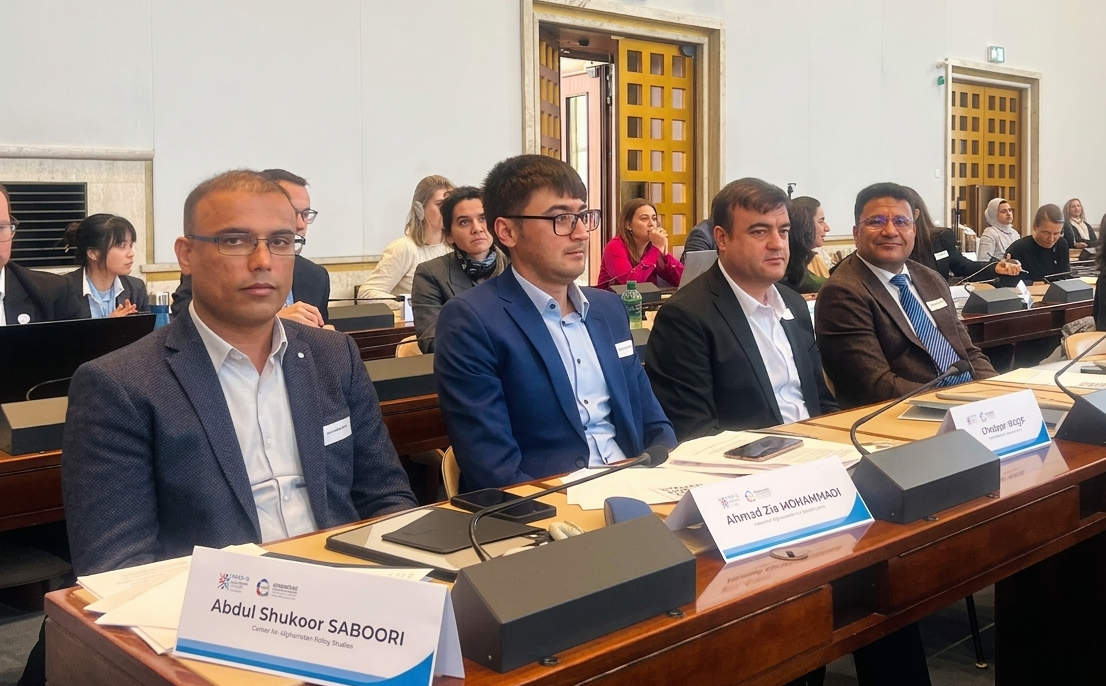
Abdul Shukoor Saboori, President of the Center for Afghanistan Policy Studies (CAPS), emphasized on the sidelines of the conference the essential role of civil society organizations in ensuring the success of accountability and transitional justice processes. He stated that the Independent Investigative Mechanism for Afghanistan (IIM-A) can only become an effective and sustainable process if civil society, victims, human rights organizations, and independent Afghan networks play an active and long-term role in documentation, advocacy, and preserving collective memory.
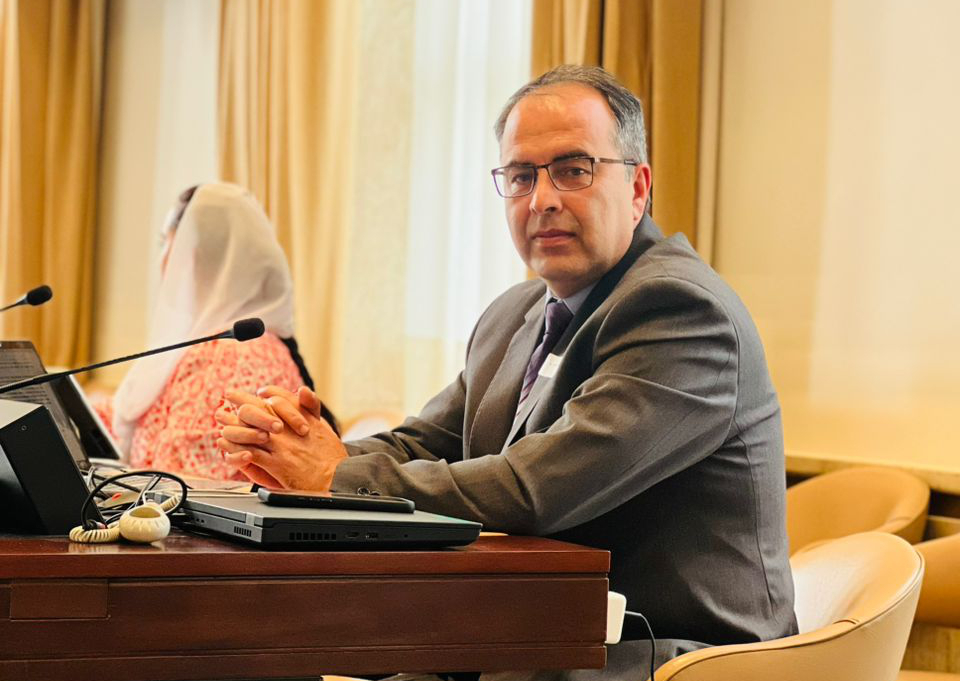
Massoud Amer, Chairman of the Board of the Afghanistan’s Civil and Democratic Forces Network and a member of CAPS, also stressed in his remarks that normalizing the current situation in Afghanistan would amount to accepting injustice and widespread human rights violations. He stated that for nearly five years Afghanistan has witnessed the systematic destruction of fundamental rights and freedoms of its citizens, particularly women and girls.
Amer noted: “The meetings of the Afghanistan Civil and Democratic Forces Network in Geneva and elsewhere are not merely symbolic; they are part of a serious process aimed at developing a shared vision regarding accountability, constitutional order, human rights, and the non-negotiable rights of women and girls.”
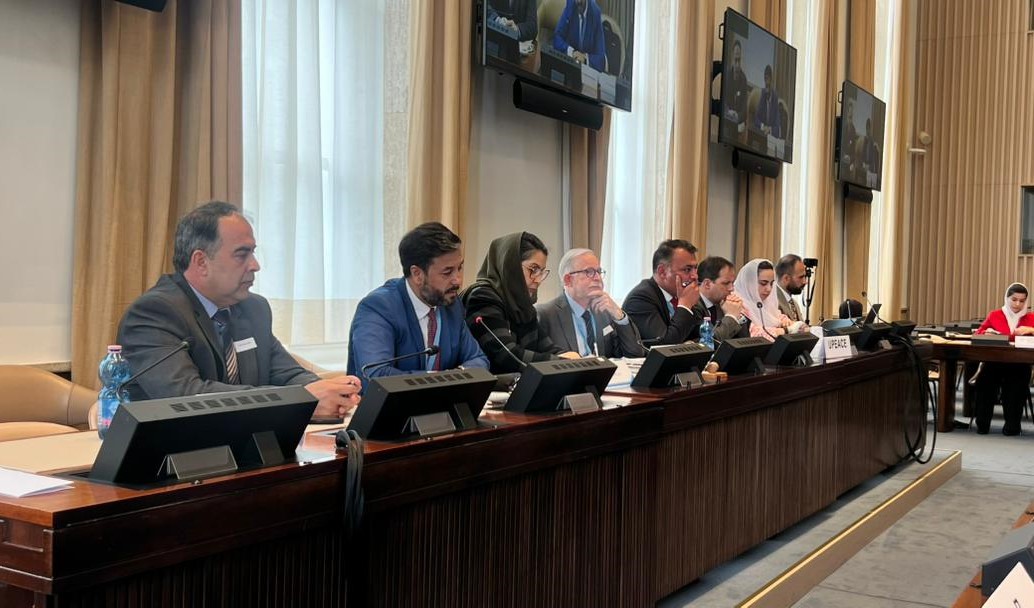
Nasir Ahmad Andisha also emphasized the importance of building an Afghanistan founded on constitutional order, inclusivity, human rights, and accountability. He described the establishment of the Independent Investigative Mechanism for Afghanistan (IIM-A) as an important step toward justice and stressed that the mechanism requires sustained political and financial support from the international community in order to succeed. Andisha further underlined that accountability is not about revenge, but rather about uncovering the truth, ensuring justice, and preventing future human rights violations.
The conference also featured remarks by figures including Sima Samar, Shaharzad Akbar, and David Fernández Puyana, who spoke about the necessity of transitional justice, accountability, a human rights-based constitutional framework, and the meaningful participation of women in Afghanistan’s future political processes.
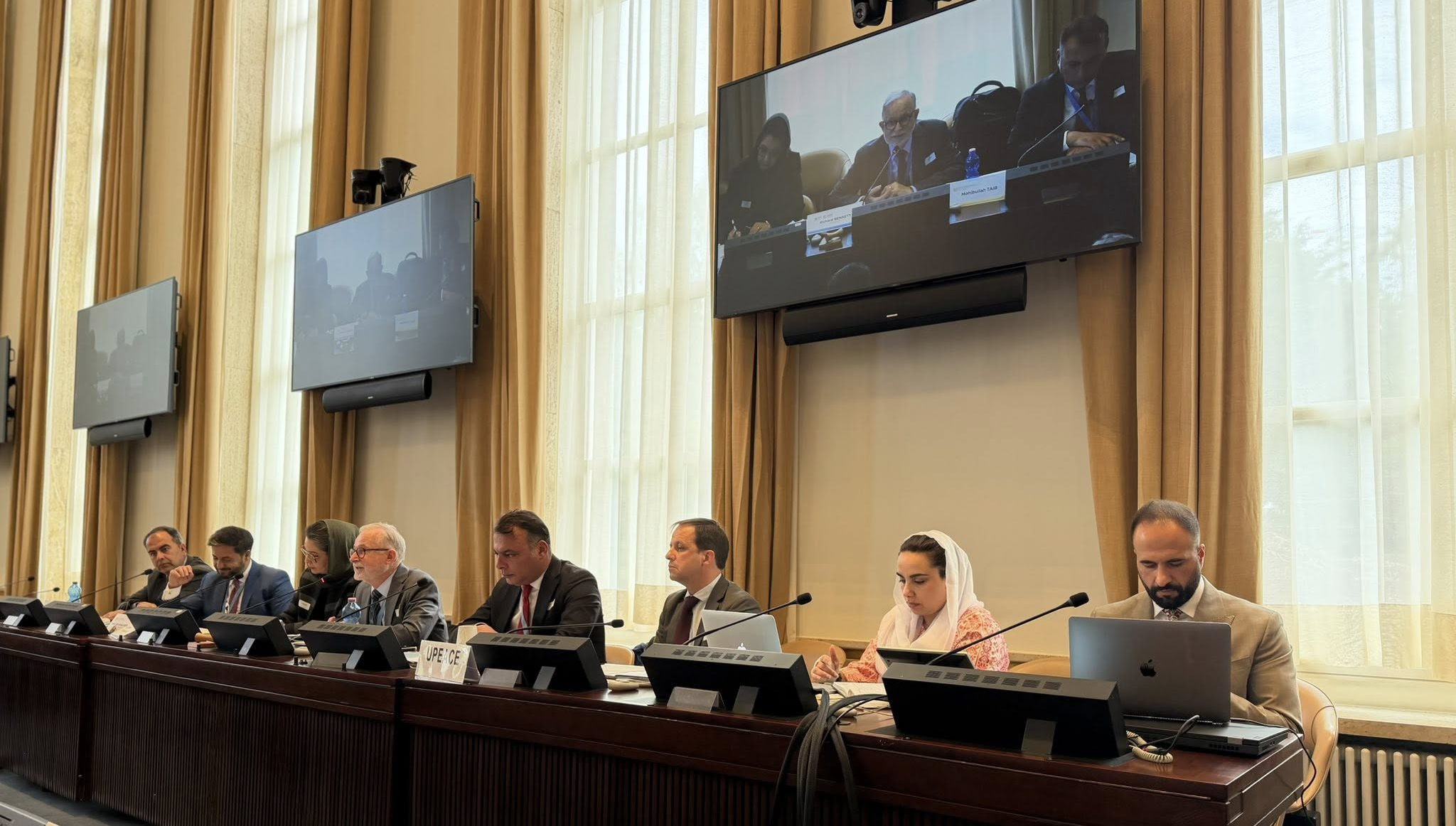
Participants also highlighted the importance of the Independent Investigative Mechanism for Afghanistan (IIM-A), a body established by the United Nations Human Rights Council to document serious human rights violations and preserve evidence for future judicial and truth-seeking processes. In a joint statement issued by the Afghanistan Civil and Democratic Forces Network, the mechanism was described as a potential foundation for future processes of justice, truth, and national reconciliation in Afghanistan.
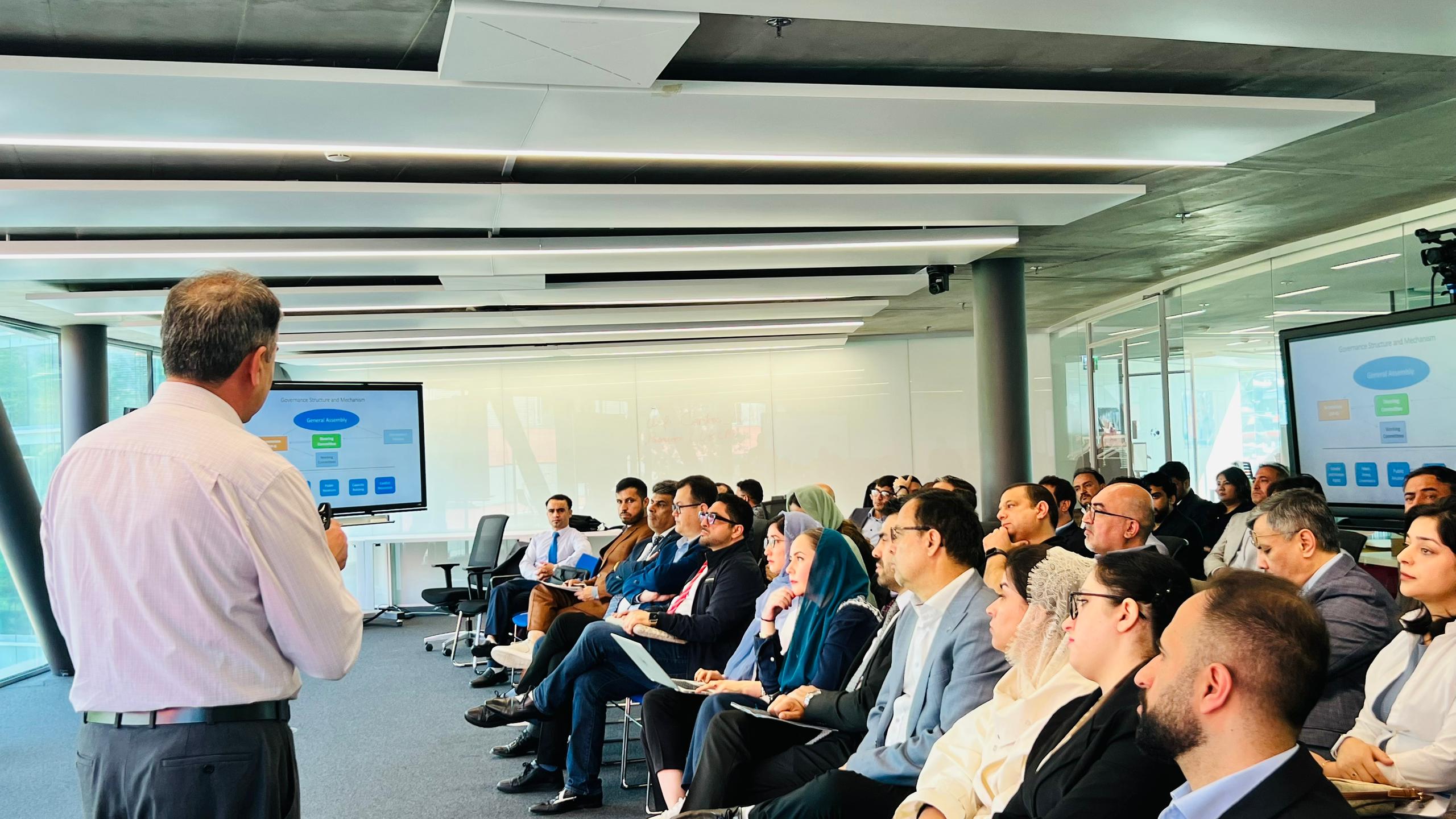
At the conclusion of the conference, participants stressed that without justice, accountability, and acknowledgment of the truth, achieving sustainable peace and restoring the rule of law in Afghanistan would not be possible.
